



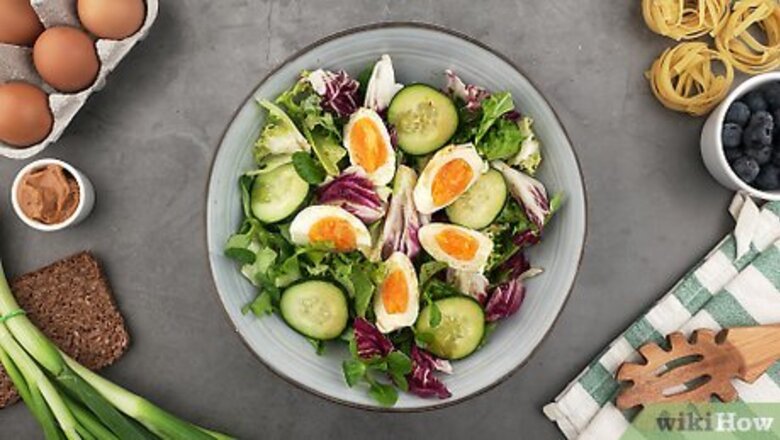

Choose what foods to include in your diet.
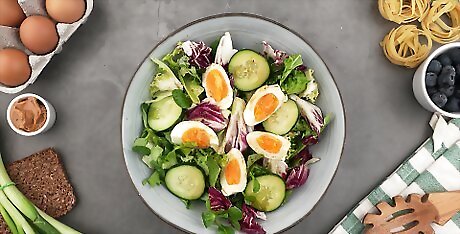
A vegetarian diet can mean different things to different people. In general, vegetarians eat mostly or only plants. Some vegetarians include dairy like yogurt, milk, and cheese, and some also eat eggs. Decide if you want to include these foods or if you want a stricter plant-based diet. A vegan diet excludes all animal products—no eggs, milk, or cheese.
Aim for around 50 g of protein a day.
Your body needs protein to build and repair muscle. By cutting out meat, you'll need to get protein from another source. Fortunately, you've got lots of options! Great sources of plant protein come from things like hemp seeds, black beans, chickpeas, legumes, lentils,and nuts. Eat stir fry with tofu instead of beef or chili made with black beans, for instance. Want a quick high-protein snack? Spread nut butter on a piece of whole-grain toast. Each of these great options count as 1 serving of protein: 1/2 cup (86 g) of cooked beans like kidney beans, black beans, pinto beans, and garbanzo beans 1/2 cup (100 g) of cooked peas or lentils 1/2 cup (125 g) of tofu or tempeh 1/4 cup (38 g) of nuts or 2 1/2 tablespoons (45 g) of nut butter 2 eggs 1 cup (200 g) of yogurt 1/3 cup (40 g) of cheese Cheese, yogurt, and eggs
Eat foods rich in omega-3 fatty acids.
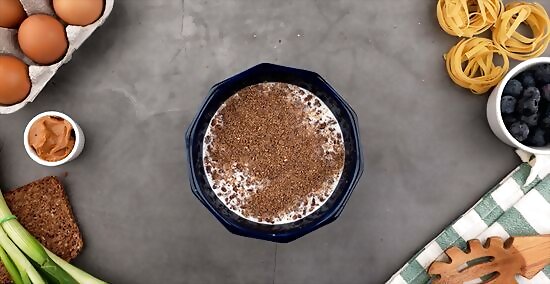
Omega-3s are important for cell structure and creating energy for your body. Seafood is a good source, but if you're not eating fish, you can get omega-3s from lots of other food. Although there are no daily recommended amounts for vegetarians, you can start with a 200-mg supplement. You can also get omega-3s from your diet. Add 1 tablespoon (15 ml) of flaxseed oil to salad dressing or sprinkle a spoonful of ground flaxseeds on your cereal or buy omega-3-enriched foods like eggs and bread. Walnuts, chia seeds, canola oil, and soy products are also great sources of omega-3s. Make chia seed pudding or scatter walnuts on top of porridge for an easy snack or breakfast.
Include foods high in iron.
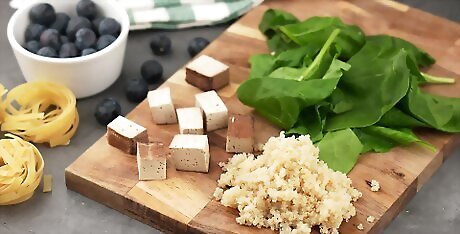
Eat 4 to 5 servings of iron-rich foods a day. Your body uses iron to make hormones, hemoglobin for your red blood cells, and myoglobin for your muscles. Because iron from meat sources is absorbed differently, you actually need more iron than non-vegetarians. Aim for 20 mg a day if you're a boy and 27 mg a day if you're a girl. Need some iron suggestions? Here are some fantastic iron-rich foods: Cooked soybeans [9 mg per 1 cup (172 g)] Lentils [6.6 mg per 1 cup (200 g)] Spinach [6.4 mg per 1 cup (30 g)] Quinoa [6.3 mg per 1 cup (170 g)] Tofu [6 mg per 4 ounces (113 g)]
Add zinc-fortified foods to your diet.
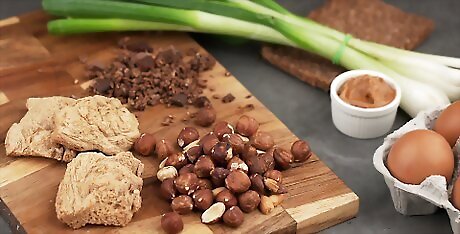
You can get zinc from fortified cereals, beans, nuts, and soy products. Your body's immune system uses zinc to fight bacteria and viruses, so it's really important. Aim for 12 mg of zinc if you're a girl of 15 mg if you're a boy. A 1/2 cup (86 g) of baked beans, 1 serving of fortified cereal, or 1/4 cup (15 g) of sunflower seeds have about 1/4 of your daily zinc requirement. If you're already eating lots of beans as a way to get protein, fantastic! You'll also get zinc. Try lentil soup, bean burritos, or hummus, for instance. If you like to bake, make muffins with bran and scatter nuts on top.
Get calcium and vitamins from dairy products.
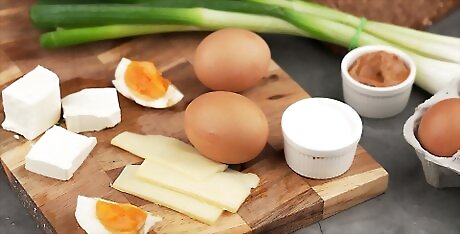
Include milk and eggs in your diet to get calcium, vitamin B12, and vitamin D. If you're not a big fan of milk or yogurt, no problem! Look for fortified soy products that have them. This way, your bones get the calcium and vitamin D they need and your nervous system gets B12. Try to drink around 2 cups (470 ml) of milk a day to get these nutrients. You'll probably find that cheese is a frequent vegetarian option on the menu. You can often find cheese-based pasta, sandwiches, or pizzas that have no meat. Don't forget that yogurt and eggs also count! Enjoy a veggie quiche any time of day or whip up a yogurt parfait for a quick snack or dessert. B vitamins and all the amino acids are things that you're not going to be able to get from just a plant-based diet, therefore increase your intake through supplementation with a B-complex.
Explore meat substitutes.
Meat substitutes a low-fat and a good source of protein. You might enjoy trying these while you're getting used to being a vegetarian. For example, you could eat veggie burgers or soy hot dogs when your family is grilling or ask for imitation chicken nuggets at dinner. While meat substitutes are fine every once in a while, they are heavily processed so don't use them to replace meat at every meal. Try having a balanced diet consisting of your macronutrients, so protein, fiber and fat.
Talk with your family about becoming a vegetarian.

Your family might be surprised at your decision. If you frequently eat meals together, your family might be concerned about what these changes mean for them. Explain why you want to be a vegetarian and let them know the health benefits. You can also offer to help out in the kitchen so you're more involved in meal preparation. For example, you might say, "I know you think this will mean more work at mealtime, but it's actually easy to make a lot of meals vegetarian! If you like, we can do some of the meal prep together." If your family struggles with health issues like high blood pressure, cholesterol, or obesity, you might mention the health benefits of a vegetarian diet. Explain that you're looking out for your long-term health.
Embrace your decision and don't feel pressured.

Stand up for yourself and ask others to respect your choice. No one should make fun of you or make you feel bad about being a vegetarian. You're allowed to make decisions about your own nutrition! While it can be difficult at first, people will get used to your choice and you'll get more familiar with a vegetarian diet. A good way to respond to pressure or joking is to explain why you wanted to become a vegetarian.
Don't use vegetarianism as a diet tool.
You might lose a little weight but you should focus on getting nutrients. It's important to replace the foods that you've cut out of your diet with enough calories—don't simply stop eating as much food. As a teenager, you need between 2,200 and 2,800 calories every day! That might sound like a lot, but your body is growing rapidly and you need the energy. Remember to replace meat with fruits, vegetables, and grains. Meat substitutes are fine too.











Comments
0 comment